The Two-Sided Marketplace Design Problem
Most digital products have one primary user. An app for runners is designed around runners. An invoicing tool is designed around the person sending invoices. The entire design process - the personas, the journey maps, the interface hierarchy - flows from that single point of focus.
Marketplaces break this model entirely.
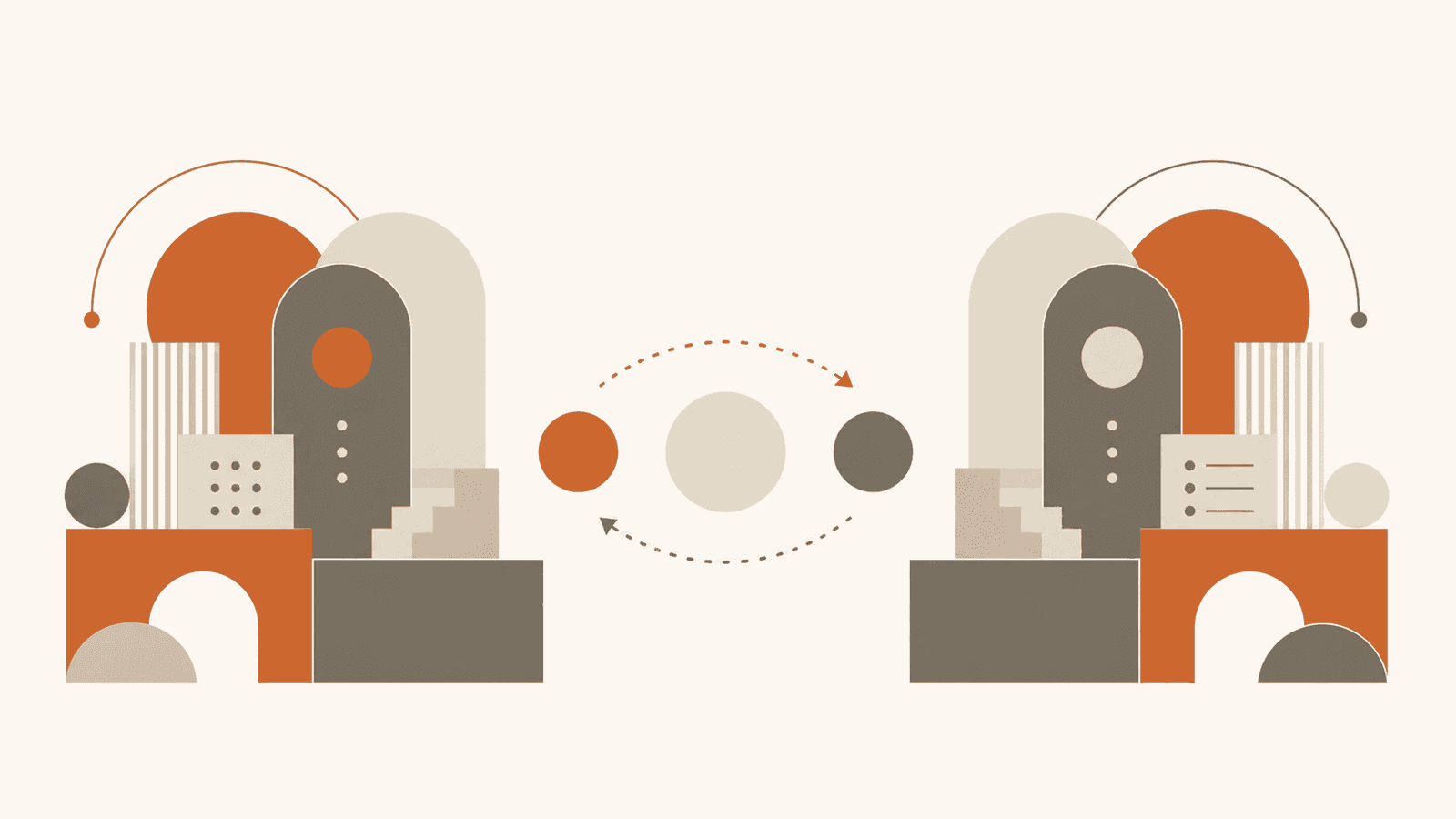
When you're building a two-sided marketplace, you have two distinct audiences who interact with your product in fundamentally different ways, with different goals, different anxieties, and different definitions of success. Design that works for one can actively alienate the other.
This is the central challenge of marketplace design, and it's one we navigated in depth while working with Vonlix on their UK beauty booking platform.
Side One: The Business
For Vonlix's supply side - the barbers, salons, and independent beauty professionals listing their services - the core product promise was control. Control over their schedule, their pricing, their availability. Any UI that made them feel like they were handing that control over to a platform they didn't fully understand was a conversion killer.
This shaped nearly every decision we made on the business-facing side of the product:
- The onboarding flow was stripped back to the absolute minimum required to go live. We removed three steps from the original flow and saw completion rates improve significantly.
- The dashboard was designed around scannability. A salon owner checking in between clients needs to see today's bookings, upcoming gaps, and any new enquiries at a glance - not after drilling into three menus.
- The free listing model was surfaced clearly and repeatedly. Trust is hard to build with a business audience, and hiding costs or requirements is the fastest way to destroy it.
Side Two: The Customer
For the demand side - the people searching for a last-minute haircut or a nail appointment - the design priorities were almost inverted. Customers don't want control; they want confidence. Confidence that the business is legitimate, that the quality matches the price, and that booking is simple enough to do without thinking.
This meant:
- Rating prominence. Vonlix's 9,426 aggregate rating is a powerful signal. The design ensures it's impossible to miss on both the marketplace homepage and individual listing pages.
- Photography-first layouts. A listing card with a real photo of the salon or the stylist's work dramatically outperforms a text-only card. We built the listing template to make photography the default, not an afterthought.
- A booking flow that never surprises. Hidden fees, unexpected redirects, and forced account creation are conversion killers in any e-commerce context. In beauty booking, where customers are already making a slightly personal decision, they're fatal. Every step in Vonlix's booking flow was designed to feel inevitable and frictionless.
Where the Two Sides Meet
The homepage and the marketplace search page are where both audiences land. A business owner might browse competitor listings to understand the market. A customer might visit the business dashboard link in an email. The design can't assume clean separation.
Our solution was a clear hierarchy: customer-facing discovery and booking is the primary interface, with the business dashboard as a clearly signposted but distinct environment. The teal-and-green brand palette does work here too - it's warm and approachable enough for a lifestyle product while being structured enough to feel like credible business software.
Takeaways for Marketplace Founders
If you're building a two-sided marketplace, the design questions you need to answer before you open Figma are:
- What does trust look like for each side of your market?
- Where do the two sides' journeys overlap, and how do you handle those moments?
- Which side is harder to acquire, and does your design reflect that priority?
Getting these right in the design phase is considerably cheaper than fixing them after launch.
Build Your Marketplace with Octelis
We design platforms and marketplaces for UK businesses. If you're at the stage where design is your next bottleneck, let's talk.